
logo
درباره ما

Wuxi East Group Trading Co.,Ltd

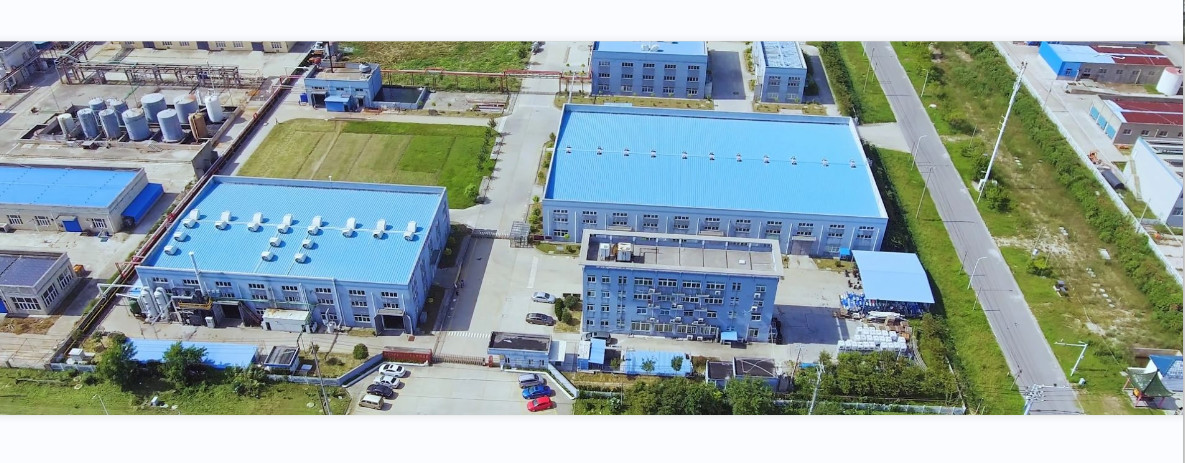
گروه شرق دارای آزمایشگاهی با تکنولوژی بالا با تکنسین حرفه ای شیمی، کارگاه نوسازی و مجهز به مدیریت تولید پیشرفته است.
مشاهده بیشتر
درخواست قیمت
شرکت.img.alt
شرکت.img.alt
چرا؟
انتخاب ما
picurl
کیفیت بالا
مهر اعتماد، بررسی اعتبار، RoSH و ارزیابی توانایی تامین کننده. شرکت دارای سیستم کنترل کیفیت دقیق و آزمایشگاه تست حرفه ای است.
picurl
توسعه
تیم طراحی حرفه ای داخلی و کارگاه ماشین آلات پیشرفته می تونیم با هم همکاری کنیم تا محصولاتی که شما نیاز دارید رو توسعه بدیم.
picurl
تولید
ماشين هاي پیشرفته اتوماتيك، سيستم کنترل سختي فرآیند ما مي تونيم تمام ترمينال هاي الکتريکي رو فراتر از نياز شما بسازيم
picurl
100درصد خدمات
بسته بندی های کوچک فله ای و سفارشی، FOB، CIF، DDU و DDP. به ما اجازه دهید تا بهترین راه حل را برای تمام نگرانی های شما پیدا کنیم.
محصولات بیشتر
راه حل
راه حل
  • Solution to Residue Issues When Peeling Synthetic Paper Logistics Labels: Low Oil Penetration Hot Melt PSA Selection Guide
    06-26 2026
      Common Industry Pain Points of Residue on Synthetic Paper Shipping Labels Cross-border logistics and e-commerce warehouses widely adopt synthetic paper waybill labels. Conventional hot melt adhesives tend to leave sticky residue on cartons and goods after long-term adhesion under fluctuating storage temperatures. Residue contaminates outer packaging and raises manual cleaning costs. Besides, ordinary glues easily cause oil penetration, smudging printing ink on synthetic paper and blurring barcodes, which hinders automatic sorting.   Most general hot melt adhesives have unstable viscosity, leading to uneven coating during high-speed lamination. Although initial adhesion meets basic standards, glue layer migration occurs after long storage, becoming the root cause of residue and oil bleed — two long-standing selection challenges for European and American label manufacturers. Core Performance of EG-520 Low Oil Penetration Hot Melt PSA for Synthetic Paper Logistics Labels EG-520 is formulated with SEBS synthetic rubber TPR system. Its melt viscosity stays steady at 5500±1000 mpa·s under 180℃, delivering even fluidity without excessive glue accumulation during high-speed coating. The ring-and-ball softening point reaches 100±5℃, preventing glue softening and oil penetration under regular storage conditions.   Balanced peel force enables complete separation during label removal without fragmented adhesive residue. Its operating temperature range of 160℃ to 180℃ fits mainstream high-speed label coating machines in Europe and North America, maintaining consistent coating thickness without overflow or stringing even under continuous mass production. Practical Selection Tips for Cross-border Logistics Label Manufacturers For mass production of synthetic paper shipping labels, buyers shall verify two core indicators: stable melt viscosity and low oil penetration formula. Do not mix this adhesive with other glue variants. EG-520 is a single-component system; blending will damage its internal structure and worsen residue and oil bleed problems. Keep production line temperature within 160–180℃ to reduce glue migration. Avoid long-term storage above 40℃ to preserve full performance within its 12-month shelf life. This hot melt pressure sensitive adhesive complies with global packaging label standards. Its low-odor feature supports logistics labels attached to food and daily chemical export goods, fundamentally solving two major manufacturing pain points: adhesive residue after peeling and ink contamination from oil penetration.
  • Edge Lifting Issues in Self-Adhesive Labels Draw Attention to Stable Hot Melt PSA Solutions
    06-26 2026
      The demand for self-adhesive labels continues to grow across the food packaging, logistics, consumer goods, and pharmaceutical industries. At the same time, manufacturers are paying increasing attention to issues such as edge lifting, insufficient adhesion, and reduced bonding performance in low-temperature environments. For label converters, adhesive performance depends not only on the facestock and release liner but also on the Hot Melt Pressure Sensitive Adhesive (HMPSA) used during the coating process. Material formulation, coating stability, and processing conditions all contribute to the final bonding performance. Why Do Self-Adhesive Labels Experience Edge Lifting? Edge lifting is usually caused by multiple factors rather than a single issue. Common causes include: Poor compatibility between the adhesive and the substrate. Insufficient initial tack during label application. Viscosity fluctuations during hot melt coating. Reduced adhesion under cold storage or transportation conditions. Mechanical stress during long-term use. As a result, label manufacturers are placing greater emphasis on selecting stable pressure-sensitive adhesive systems for industrial production. The Role of Hot Melt Pressure Sensitive Adhesives in Label Manufacturing HMPSA is applied in a molten state and develops permanent tack after cooling, making it suitable for a wide range of labeling and tape applications. Typical applications include: Self-adhesive labels PET labels Cloth tapes Packaging labels Logistics labels Industrial identification labels For high-speed coating lines, adhesives should deliver reliable initial tack while maintaining consistent flow characteristics throughout production. Key Factors When Selecting an HMPSA for Labels Stable Viscosity for Consistent Coating Take EG-520 for example, the adhesive has a viscosity of 5500 ±1000 mPa·s at 180°C and a recommended application temperature of 160–180°C.Stable viscosity supports uniform coating and consistent production quality. Appropriate Thermal Processing Window The adhesive features a softening point of 100 ±5°C (Ring & Ball), providing a stable thermal processing range during industrial coating operations. SEBS-Based Formulation The product is formulated with SEBS synthetic rubber, a material commonly used in pressure-sensitive adhesives for its reliable initial tack and compatibility with label and tape applications. Industry Outlook As labeling equipment continues to evolve toward higher automation and faster production speeds, manufacturers are increasingly focused on adhesive consistency rather than adhesion alone. Selecting an HMPSA with stable viscosity, an appropriate processing temperature range, and compatibility with common label substrates can help support consistent coating performance and reliable label production across a variety of industrial applications.
  • چسب های ضد رطوبت PUR توجه را برای مونتاژ قطعات الکترونیکی در شرایط چالش برانگیز جلب می کنند
    06-18 2026
    تغییر الزامات برای اتصال ساختاری در تولید الکترونیک سازندگان لوازم الکترونیکی در سرتاسر آمریکای شمالی همچنان از طرح های سبک وزن و مجموعه های چند متری استفاده می کنند. لوازم الکترونیکی مصرفی، تجهیزات کنترل صنعتی، دستگاه های ارتباطی و محصولات هوشمند به طور فزاینده ای پلاستیک های مهندسی را با اجزای فلزی ترکیب می کنند تا به عملکرد بهبود یافته و انعطاف پذیری طراحی دست یابند. در عین حال، محیط های عملیاتی تقاضای بیشتری پیدا می کنند. بسیاری از محصولات الکترونیکی در طول عمر خود در معرض نوسانات رطوبت، ارتعاشات حمل و نقل، چرخه دما و تماس گاه به گاه با مواد شیمیایی تمیزکننده قرار دارند. در نتیجه، تولیدکنندگان تاکید بیشتری بر روی سیستم‌های چسبی دارند که می‌توانند از راندمان تولید و عملکرد ساختاری بلندمدت پشتیبانی کنند. چالش های رایج در برنامه های مونتاژ الکترونیکی الزامات اتصال چند ماده ای کاربردهای مونتاژ معمولی عبارتند از: محفظه های کامپیوتری که به قاب های آلومینیومی متصل شده اند اجزای ABS به براکت های فولادی ضد زنگ متصل می شوند قطعات پی وی سی ادغام شده در سازه های فلزی محفظه های پلاستیکی مونتاژ شده با تکیه گاه های داخلی تفاوت در خواص سطح و ویژگی‌های انبساط حرارتی اغلب این مجموعه‌ها را برای اتصال قابل اعتماد چالش برانگیزتر می‌کند. مواجهه با محیط زیست محصولات الکترونیکی ممکن است با موارد زیر مواجه شوند: شرایط رطوبت بالا تغییرات مکرر دما مواد شوینده شیمیایی بارهای حرارتی مداوم در حین کار این عوامل علاقه به چسب های طراحی شده برای محیط های مونتاژی را افزایش داده است. چرا چسب‌های ذوب داغ PUR که رطوبت گیر هستند مورد توجه قرار می‌گیرند؟ چسب های ذوب داغ PUR از مکانیزم اتصال دو مرحله ای استفاده می کنند. پس از اعمال، چسب از طریق خنک شدن، قدرت حمل اولیه را ایجاد می کند. سپس با رطوبت محیط واکنش نشان می دهد و شبکه ای متقابل ایجاد می کند که به عملکرد پیوند نهایی کمک می کند. EG-8601 یک است: چسب 100% با محتوای جامد چسب حرارتی PUR تک جزئی محلول پیوند واکنشی مرطوب کننده این محصول برای چسباندن بسترهای PC، ABS، PVC، آلومینیوم و فولاد ضد زنگ طراحی شده است. این سازگاری مواد، آن را برای طیف گسترده ای از برنامه های مونتاژ الکترونیکی مناسب می کند. پارامترهای کلیدی برای ارزیابی در طول انتخاب چسب ویسکوزیته مذاب EG-8601 ویسکوزیته مذاب را فراهم می کند: 5500-9000 cps در 110 درجه سانتیگراد این پارامتر به ارزیابی رفتار جریان و ثبات فرآیند در عملیات توزیع کمک می کند. دمای کاربرد دمای کاربرد توصیه شده عبارت است از: 110-130 درجه سانتیگراد یک پنجره دمای کنترل شده می تواند از سازگاری با تجهیزات توزیع معمول پشتیبانی کند. عملکرد پیوند داده های فنی نشان می دهد: استحکام کششی 9 مگاپاسکال برای اتصال PC به PC استحکام کششی 9 مگاپاسکال برای اتصال ABS به ABS این مقادیر نقاط مرجع مفیدی را برای مجموعه های پلاستیکی مهندسی فراهم می کنند. شرایط پخت توصیه شده برای پخت کامل، محصول توصیه می کند: دما:23-25 ​​درجه سانتی گراد رطوبت نسبی:تقریبا 65 درصد   چشم انداز صنعت همانطور که محصولات الکترونیکی به سمت ساختارهای پیچیده تر و یکپارچه تر تکامل می یابند، انتخاب چسب در طراحی و ساخت محصول اهمیت فزاینده ای پیدا می کند. برای پروژه‌هایی که نیاز به سازگاری با چندین بستر، ویژگی‌های پردازش پایدار و عملکرد در شرایط محیطی چالش‌برانگیز دارند، چسب‌های ذوب داغ PUR با رطوبت، توجه رو به رشدی را در صنعت تولید الکترونیک به خود جلب می‌کنند.
آخرین وبلاگ ها
جدیدترین وبلاگ‌ها را کشف کنید
با ما تماس بگیرید
تحقیق
اگر سوالی دارید، لطفاً بلافاصله با ما تماس بگیرید و ما در اسرع وقت پاسخ خواهیم داد.
همچنین می‌توانید ما را در شبکه‌های اجتماعی دنبال کنید.
karenyang26